

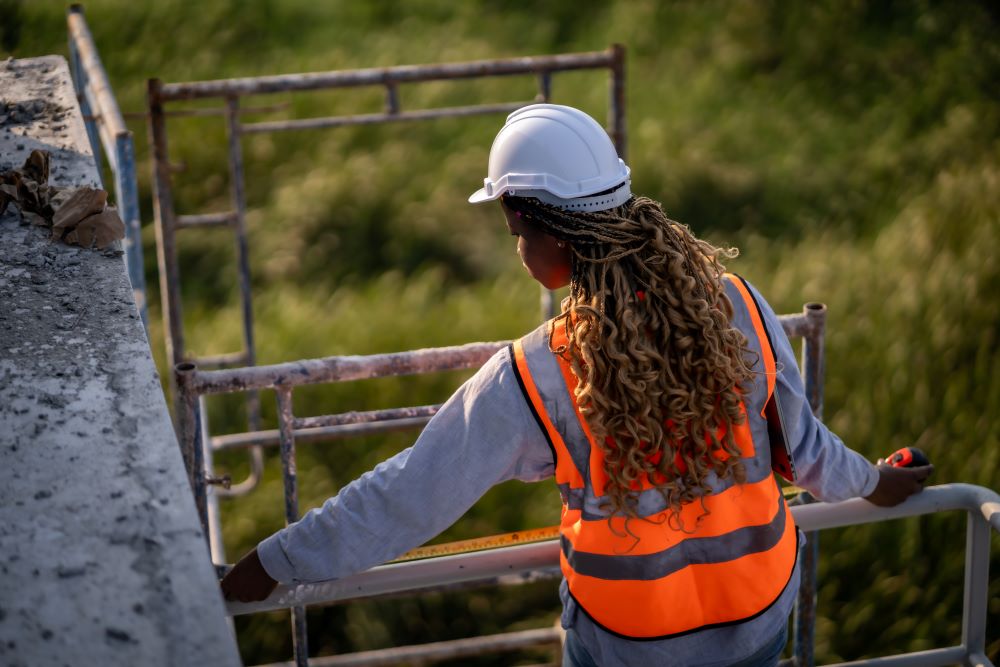
A lone worker is any employee who carries out their job without close or direct supervision. This includes a wide range of professionals, from healthcare visitors and social workers to construction site supervisors, delivery drivers, security staff, retail workers on late shifts, and field engineers. While working alone is not inherently dangerous, it does present a unique set of risks that employers have a legal and moral duty to address.
In the UK, the Health and Safety at Work Act 1974 places clear obligations on employers to protect lone workers in the same way as any other employee. This means assessing the risks they face, putting reasonable controls in place, and ensuring they can summon help quickly if something goes wrong. Failure to do so can result in serious injury, legal action, fines, and reputational damage.
The dangers lone workers face fall into several categories. Physical risks include slips, falls, vehicle accidents, and exposure to hazardous environments. Medical emergencies such as heart attacks, strokes, or seizures become far more dangerous without anyone nearby to call for help. Then there are the human risks: aggression from members of the public, threats from clients or patients, and even targeted violence in higher-risk roles.
What makes lone working particularly challenging is the absence of immediate support. A workplace incident in an office is usually noticed within seconds. The same incident happening to a community nurse in a patient’s home, or a maintenance worker in a remote area, might go unnoticed for hours.
This is where lone worker protection devices come in. Modern solutions combine one-touch SOS panic buttons, automatic fall detection, real-time GPS tracking, and two-way communication with a 24/7 monitoring centre. When something goes wrong, help is dispatched within minutes — not hours.
Investing in lone worker safety is not just about ticking a compliance box. It reduces staff turnover, improves employee confidence, lowers insurance premiums, and protects organisations from liability. More importantly, it can save lives.
If your organisation employs anyone who works alone — even occasionally — a proper risk assessment and a reliable safety solution should be at the top of your priority list.